A practical approach to smelling, blending, comparing, and revising fragrance ideas.
How PerfumeArt Approaches Fragrance
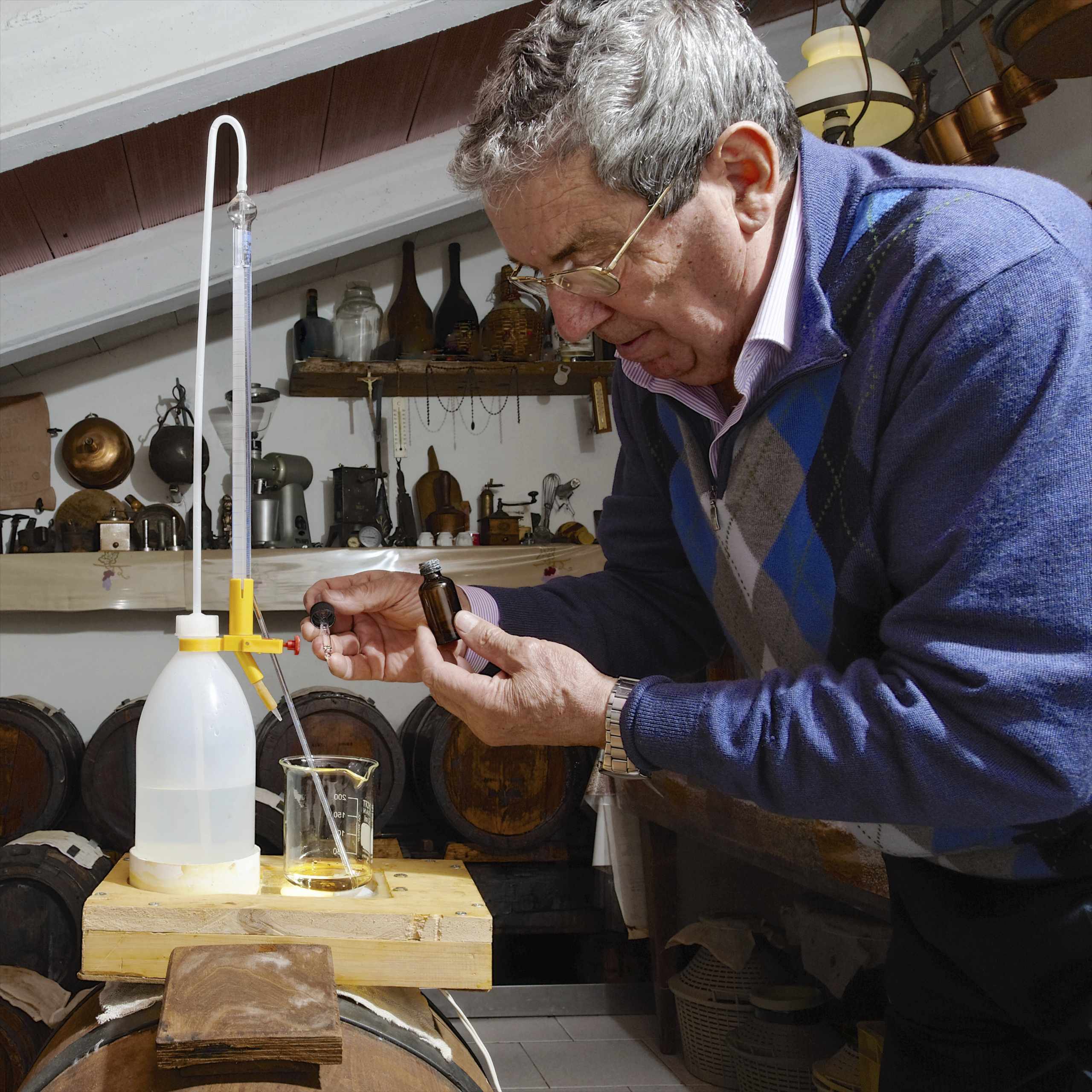
Learn Through Small Experiments
Instead of mixing many notes at once, the course focuses on individual materials, simple accords, controlled proportion changes, and careful evaluation from opening to drydown.
THE PRACTICE APPROACH
How Skills Are Built
Smell Before Blending
Study individual materials on blotters before deciding how they should function inside an accord.
Change One Variable
Adjust one proportion at a time so the effect of each formula revision remains easy to identify.
Return To The Blotter
Revisit each scent strip later to notice what fades, remains, strengthens, or changes during the drydown.
A Method Built Around Observation
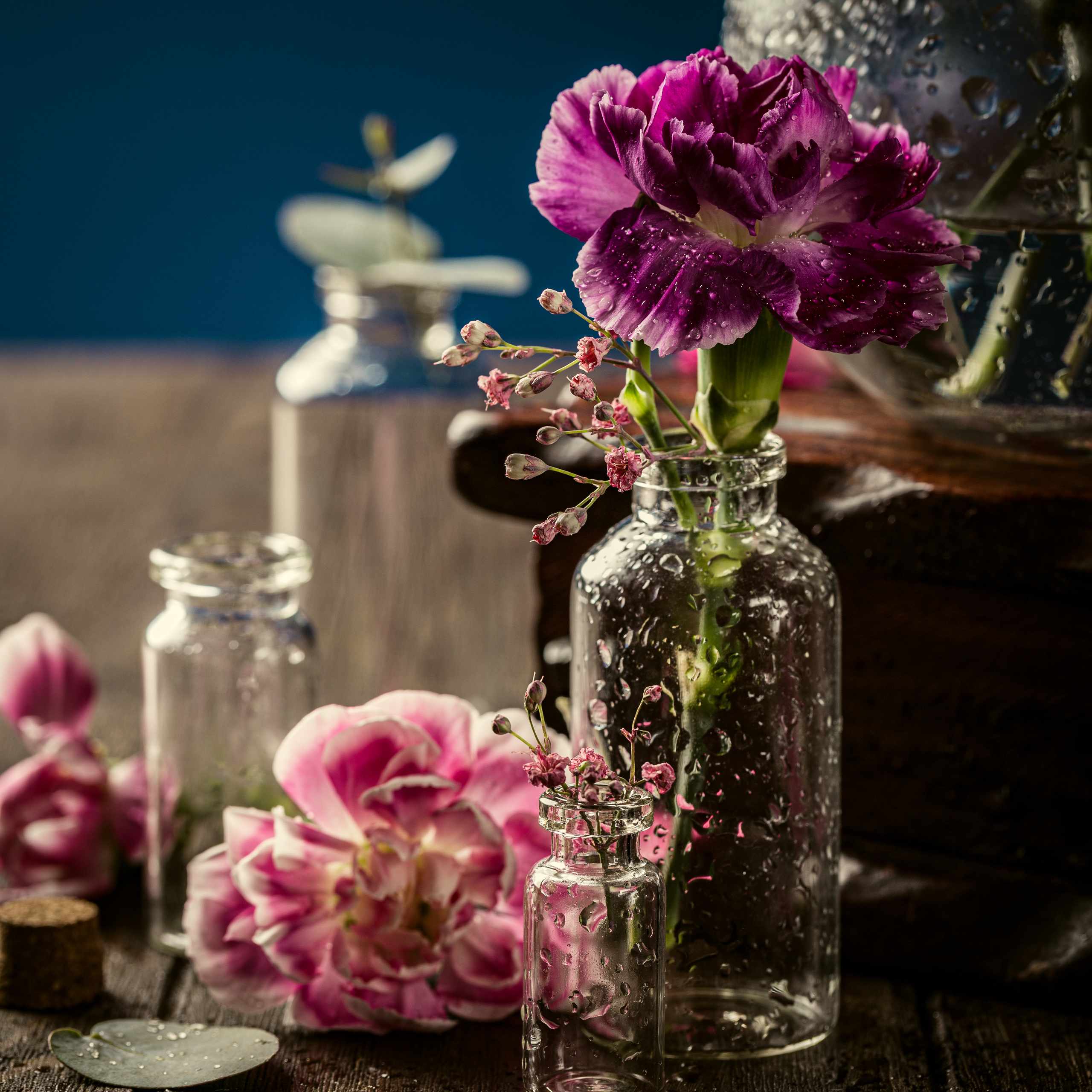
Perfume composition becomes easier to understand when each material has room to be noticed. Early exercises keep formulas small, making it clearer which note is dominant, which one supports the structure, and how intensity or diffusion changes the whole blend.
Side-by-side smelling reduces the need to rely on memory alone. Comparing related fragrance materials, recording specific impressions, and labeling each test version creates a clearer link between what was changed in the formula and what can actually be smelled.
The goal is not to chase a perfect formula immediately. It is to understand how accords respond to proportion, concentration, and time, then use those observations to make smaller and more deliberate revisions.
Continue with practical notes on fragrance families, accord building, blotter testing, and formula adjustments.