Smell individual materials, compare their character, and build simple accords with clearer control.
Shape Your First Accord
Perfume Starts With Observation
PerfumeArt focuses on the small decisions behind a fragrance formula: how a material changes on a blotter, how two notes interact, and what happens when a proportion shifts. Controlled comparisons, simple test batches, and clear formula notes make each experiment easier to understand.
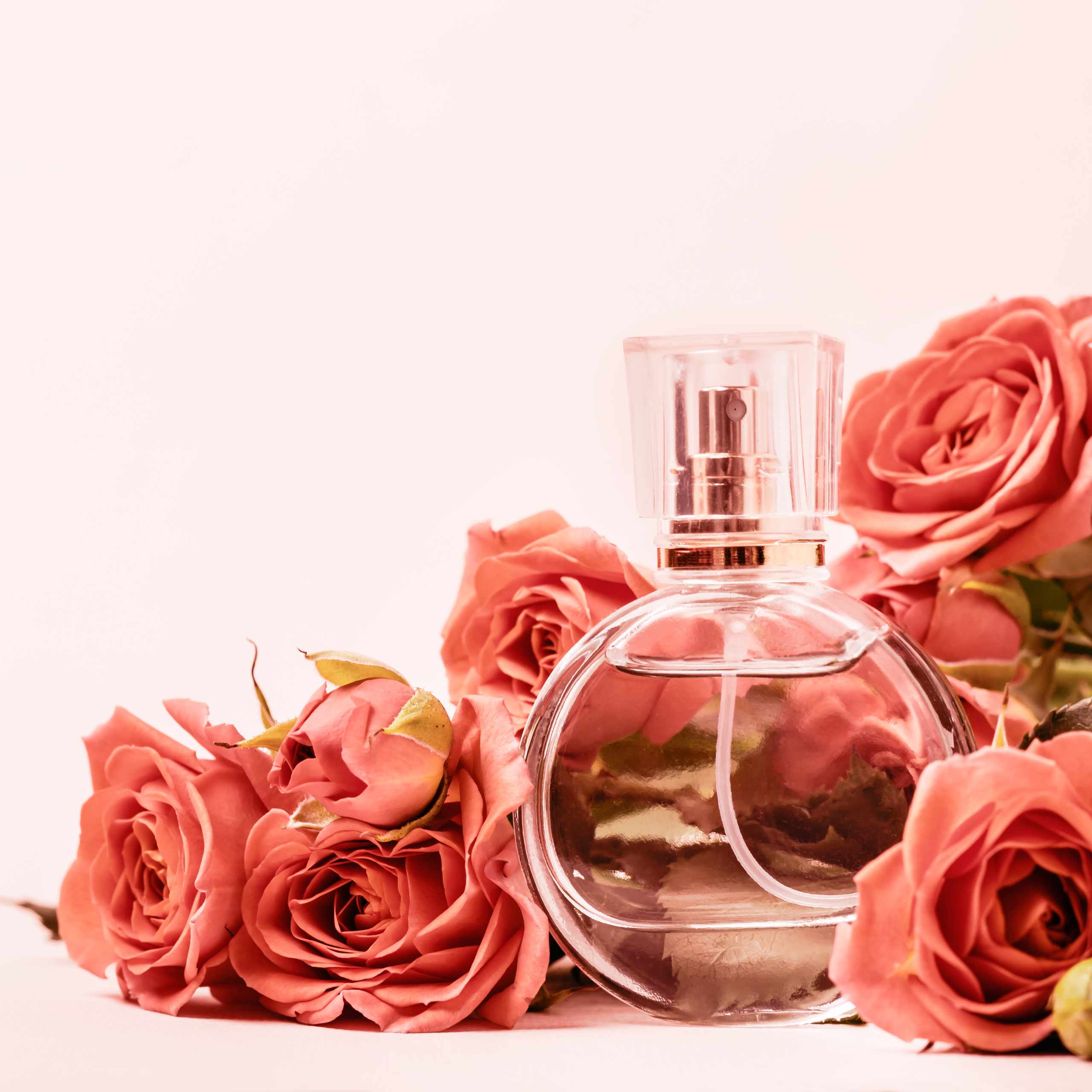
Practice the core actions behind smelling, blending, evaluating, and revising a fragrance.
What You’ll Practice
Material Evaluation
Follow one material from its first impression through its later drydown.
Fragrance Families
Compare citrus, floral, woody, aromatic, amber, and other scent directions.
Simple Accord Building
Combine a few materials so each note and its role remain noticeable.
Proportion Control
Change one ratio at a time and notice how the accord shifts.
Formula Notes
Label test versions and record adjustments before comparing the next blend.
Drydown Comparison
Return to scent strips later and check what remains, fades, or dominates.
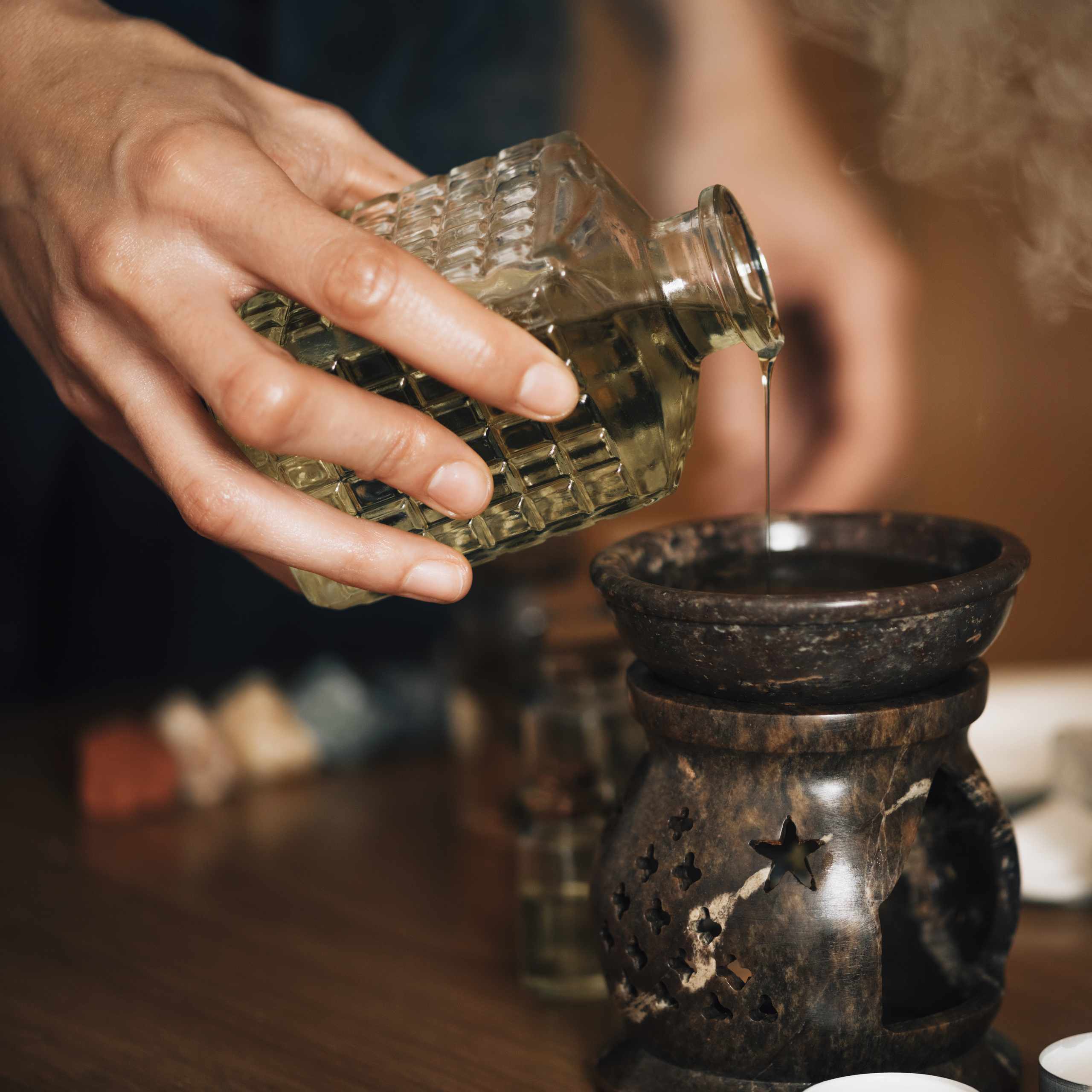
SMELL BEFORE MIXING
Know Each Material
Use blotters to compare intensity, texture, diffusion, and drydown before deciding where a material belongs in a blend.
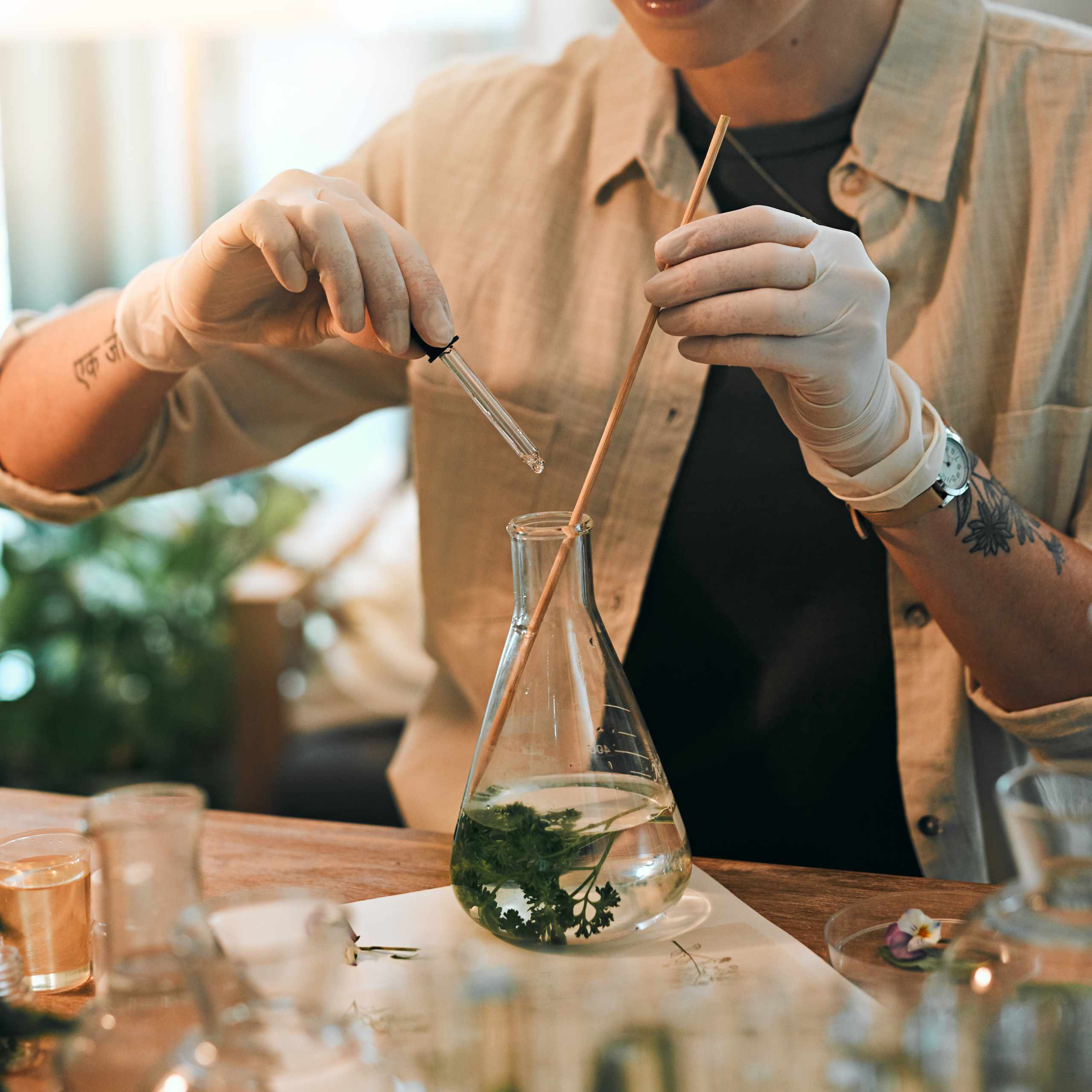
CHANGE ONE VARIABLE
Refine Proportion
Compare nearby versions of one accord and adjust a single proportion so the effect of each revision stays easy to trace.
What Students Notice
“Working with only a few materials at once made it much easier to notice which note was changing the whole accord.”
Marina Mochizuki
“I stopped judging a blend immediately and began checking the same blotter later. The drydown became much more useful to me.”
Haru Kobayashi
“Keeping formula notes helped me understand why one version felt balanced while another was overwhelmed by a stronger material.”
Mitsuki Motoi
Read practical notes on accords, scent families, blotter testing, proportions, and formula revisions.